
There’s something quietly satisfying about turning pantry staples into tender, homemade gnocchi. No fancy ingredients needed—just potatoes, flour, and a bit of salt—yet the result feels like a warm, secret treat you made yourself. It’s a way to reclaim comfort food from simple, humble items, especially when the fridge’s shelves are looking a little sparse.
I love how this recipe transforms everyday ingredients into something soft and pillowy, almost like a little homemade hug. It’s honest cooking, no fuss, no fussiness—just the kind of meal that feels like a small victory, especially when you’re craving warmth but don’t want to fuss over complex recipes.
Focusing on transforming simple pantry staples into a tender, flavorful gnocchi that feels like a comforting secret, especially when you’re short on fancy ingredients but crave homemade warmth.
Story Behind This Dish
- This recipe came about during a quiet weekend when I had a handful of potatoes and no plans. I wanted something warm and satisfying but simple enough to make without fuss. The idea of turning humble pantry staples into something soft and pillowy felt like reclaiming comfort from the everyday ingredients I often overlook.
- I remember the first batch I made—how the kitchen filled with that earthy aroma of cooked potatoes mixed with a faintly nutty smell from the flour. It was a small victory, feeling how these gnocchi could be both straightforward and special, even without eggs or traditional dairy. Since then, I keep coming back to this recipe whenever I need a cozy, honest meal.
- heading
- Story Behind This Dish
Ingredient breakdown: key components
- Russet potatoes: I prefer starchy potatoes for fluffiness, but you can try Yukon Gold for a creamier bite—just watch the moisture level. When boiling, they should be tender but not falling apart, smell earthy and warm.
- All-purpose flour: I stick to plain flour because it creates a tender gnocchi, but a bit of whole wheat can add nuttiness. Too much makes the dough sticky—sift it to keep the texture light and fluffy.
- Salt: I like a good pinch in the dough to enhance flavor, but if you’re watching salt intake, reduce a bit. It’s the simple seasoning that makes the potatoes sing.
- Nutmeg (optional): I love a tiny grating for warmth and depth, especially with potato gnocchi. Skip if you prefer pure potato flavor; it adds a subtle spicy note that’s just a whisper.
- Olive oil: I use a splash in the dough to keep it pliable and prevent sticking—try it, but if you want lighter gnocchi, skip or reduce. It adds a faint fruity aroma during kneading and cooking.
- Water (if needed): I add just enough to bring the dough together if it’s too dry—think damp sand, not wet. Too much makes the gnocchi dense, so be gentle.
- Optional herbs or spices: I sometimes toss in chopped sage or thyme for aroma—fresh herbs give a bright, herbal pop that’s especially good with browned butter or tomato sauce.
Spotlight on Key Ingredients
All-purpose flour:
- Russet potatoes: I prefer starchy potatoes for fluffiness, but you can try Yukon Gold for a creamier bite—just watch the moisture level. When boiling, they should be tender but not falling apart, smell earthy and warm.
- I stick to plain flour because it creates a tender gnocchi, but a bit of whole wheat can add nuttiness. Too much makes the dough sticky—sift it to keep the texture light and fluffy.
- Salt: I like a good pinch in the dough to enhance flavor, but if you’re watching salt intake, reduce a bit. It’s the simple seasoning that makes the potatoes sing.
Salt:
- Potatoes: When mashed, they should be smooth and fluffy, not gluey. The aroma is warm and earthy, which hints at the tender, melt-in-your-mouth texture you’re aiming for.
- It’s a subtle but essential flavor enhancer, bringing out the sweetness of the potatoes. Too much can overpower, so add gradually and taste as you go.
Notes for ingredient swaps
- Starchy Potatoes: I prefer russet for fluffiness, but Yukon Gold adds a buttery, creamy touch—just watch moisture levels. When boiling, look for tender but firm potatoes with a warm, earthy aroma.
- Flour: All-purpose flour keeps gnocchi tender, but whole wheat adds nuttiness. Use sifted flour to avoid dense, heavy bites—lightness is key.
- Salt: I add a pinch to enhance flavor, but if you’re avoiding salt, reduce it. It’s the simple seasoning that makes the potatoes pop.
- Nutmeg (optional): A tiny grating adds warmth and depth, especially with potatoes. Skip if you want pure potato flavor; it’s a subtle spicy whisper.
- Olive Oil: I use a splash in the dough to keep it pliable and prevent sticking—try it, but for lighter gnocchi, skip or reduce. It imparts a faint fruity aroma during kneading and cooking.
- Water (if needed): Add just enough to bring the dough together—think damp sand, not wet. Too much makes gnocchi dense, so handle gently.
- Herbs or Spices: Toss in chopped sage or thyme for aroma—fresh herbs give a bright, herbal note that pairs well with sauces or browned butter.
Equipment & Tools
- Large pot: Boil potatoes and cook gnocchi
- Potato ricer or fork: Puree potatoes smoothly
- Mixing bowl: Combine ingredients
- Wooden spoon: Gently mix dough
- Sharp knife: Cut dough into pieces
- Slotted spoon: Remove cooked gnocchi from water
Step-by-step guide to vegan gnocchi
- Equipment & Tools: Gather a large pot for boiling, a potato ricer or fork, a mixing bowl, a wooden spoon, a sharp knife, and a slotted spoon for handling the gnocchi.
- Start by boiling: Fill your pot with water, add a pinch of salt, and bring to a boil at 100°C (212°F).
- Prepare potatoes: Peel and cut potatoes into even chunks. Boil until tender, about 15-20 minutes, until a fork slides in easily. Drain well.
- Rice the potatoes: Pass the hot potatoes through a potato ricer or mash thoroughly with a fork until smooth. Let cool slightly but keep warm.
- Make the dough: In the bowl, combine the riced potatoes with 1 cup (120g) of all-purpose flour, a pinch of salt, and optional nutmeg. Mix gently with a wooden spoon until just combined. If sticky, sprinkle a little more flour.
- Shape the gnocchi: Divide the dough into 4 portions. Roll each into a long rope about 2 cm (¾ inch) thick. Cut into 2 cm (¾ inch) pieces. Lightly press with a fork for ridges if desired.
- Cook the gnocchi: Drop a few pieces at a time into boiling water. Cook until they float to the surface, about 2-3 minutes. Use a slotted spoon to remove and transfer to a warm plate.
- Finish and serve: Toss the cooked gnocchi in your preferred sauce or a drizzle of olive oil. Garnish with herbs if you like. Serve hot.
- Resting & Finishing: Let the gnocchi rest for 2-3 minutes to firm up before plating. Serve immediately for best texture.
Let the gnocchi rest for a couple of minutes off heat to set their shape. Toss in a light coating of olive oil or your favorite sauce. Serve immediately for the best tender bite and delicate flavor.
How to Know It’s Done
- Gnocchi float to the surface within 3 minutes of boiling.
- They should be tender, yet hold their shape without falling apart.
- Surface should be slightly firm but not rubbery or overly soft.
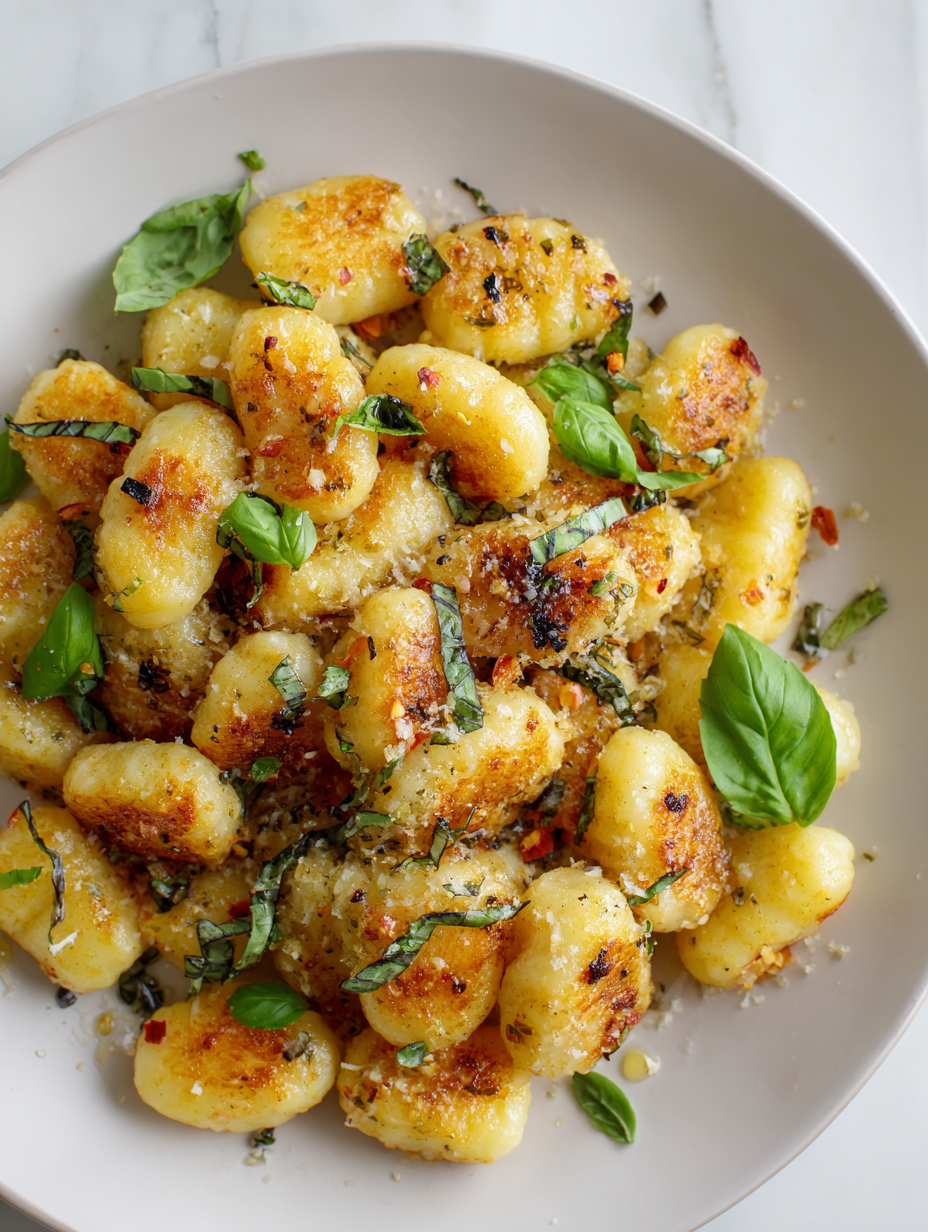
Homemade Pantry-Staple Gnocchi
Ingredients
Equipment
Method
- Peel and cut the potatoes into even chunks, then place them in a large pot of salted boiling water. Cook until tender when pierced with a fork, about 15-20 minutes, and the potatoes release a warm, earthy aroma.
- Drain the potatoes well, then pass them through a potato ricer or mash thoroughly with a fork until smooth and fluffy. Let the mashed potatoes cool slightly, keeping them warm to maintain their softness.
- Add the sifted flour, salt, and a pinch of nutmeg to the warm mashed potatoes. Gently fold everything together with a wooden spoon until the ingredients are just combined, forming a soft dough that feels slightly sticky but manageable.
- Divide the dough into four equal portions. Roll each portion into a 2 cm (¾ inch) thick rope on a floured surface. Use a sharp knife to cut each rope into 2 cm (¾ inch) pieces, creating the classic gnocchi shape.
- Bring a large pot of salted water to a gentle boil. Carefully drop the gnocchi pieces into the water in small batches, avoiding overcrowding. Cook until they float to the surface, about 2-3 minutes, and you hear a gentle bubbling sound.
- Use a slotted spoon to lift the cooked gnocchi out of the water, then transfer them to a warm plate or bowl. Repeat with remaining gnocchi batches. The gnocchi should be tender, light, and slightly firm to the touch.
- Toss the freshly cooked gnocchi gently in your favorite sauce, or simply drizzle with olive oil and sprinkle with herbs. Serve immediately to enjoy their soft, pillowy texture with a delicate appearance and comforting aroma.
Tips for perfect vegan gnocchi
- Bolded Mini-Head: Use a gentle touch when mixing the dough to keep it tender—overworking makes gnocchi dense.
- Bolded Mini-Head: Lightly dust your surface and hands with flour to prevent sticking, but don’t overdo it—excess flour can toughen the dough.
- Bolded Mini-Head: When shaping, roll the dough into ropes that are just 2 cm thick—thicker makes them heavy, thinner risks tearing.
- Bolded Mini-Head: Drop gnocchi gently into boiling water—too many at once causes clumping, and can lower the water temperature.
- Bolded Mini-Head: Cook until they float, about 2-3 minutes—if they sink, keep boiling a bit longer; if they crack, the dough’s too dense.
- Bolded Mini-Head: Immediately transfer cooked gnocchi to a hot pan or sauce—this prevents sticking and keeps them tender.
- Bolded Mini-Head: For a crispy finish, pan-fry leftover gnocchi in a little oil until golden and crackly—perfect for leftovers.
Common mistakes and how to fix them
- FORGOT to test gnocchi texture → Check for tender, not mushy, before removing from water.
- DUMPED too much flour → Use just enough for dough cohesion; too much makes gnocchi dense.
- OVER-TORCHED the potatoes → Boil until just tender; overcooking results in gluey texture.
- MISSED resting time → Let gnocchi rest 2-3 minutes to firm up before serving.
Quick fixes and pantry swaps
- If gnocchi stick to the pot → Splash in a little oil or salt to reduce sticking and prevent clumping.
- When gnocchi are overcooked and soggy → Remove immediately, drain well, and toss in sauce to revive texture.
- Splash a bit of olive oil if gnocchi are dry or sticky after boiling → It adds shine and prevents sticking.
- Patch a dough that’s too sticky → Dust with extra flour, knead lightly, and shape again gently.
- Shield gnocchi from falling apart by cooking in small batches → Keep water at a gentle boil, not a rolling one.
Prep, store, and reheat tips
- Prepare the potatoes and boil them ahead—once cooled, store in an airtight container in the fridge for up to 24 hours. Their earthy aroma will be faint but comforting when you start again.
- Assemble the dough up to the shaping stage, wrap tightly in plastic wrap, and refrigerate for up to 24 hours. The chilled dough is easier to handle and keeps the texture tender.
- Cooked gnocchi can be stored in a single layer in an airtight container in the fridge for 1-2 days. Gently reheat in simmering water until they float and are warmed through, with a slight steam scent.
- To freeze uncooked gnocchi, arrange them on a baking sheet lined with parchment, freeze until firm, then transfer to a zip-top bag. They can stay frozen for up to 2 months. Cook directly from frozen, adding an extra minute to boiling time.
- Reheating cooked gnocchi in a hot pan with a splash of olive oil or sauce will revive their soft interior and crispy exterior. Expect a faint aroma of toasted flour and a gentle crackle.
Top questions about vegan gnocchi
1. What potatoes work best for vegan gnocchi?
Use starchy potatoes like Russet for fluffy gnocchi. They release more starch, giving the right tender texture. Yukon Gold can work if you want a creamier bite, just watch moisture and avoid overcooking.
2. How do I know when potatoes are ready?
Boil potatoes until they’re just tender, about 15-20 minutes, until a fork slides in easily. Overcooked potatoes turn gluey, so keep an eye on them and drain well to prevent sogginess.
3. Can I substitute the flour?
Use all-purpose flour for a tender, light gnocchi. If you prefer a nuttier flavor, whole wheat flour is an option, but be careful not to add too much or it will toughen the dough.
4. How do I know when gnocchi are cooked?
Cooking until gnocchi float to the surface, about 2-3 minutes, means they’re done. They should be tender but hold their shape. If they sink or crack, adjust cooking time or dough consistency.
5. Any tips for shaping and cooking?
To prevent sticking, dust your surface and hands lightly with flour. When shaping, keep ropes thin (about 2 cm) so gnocchi are light. Drop gently into boiling water in small batches to avoid clumping.
6. How do I store and reheat gnocchi?
Store uncooked gnocchi in a single layer on a baking sheet and freeze until firm, then transfer to a bag. Cook directly from frozen, adding an extra minute to boiling time. Reheat leftovers in a hot pan or simmering water.
7. What if my gnocchi stick or fall apart?
If gnocchi stick or clump, add a splash of oil or salt water to the pot. Soggy gnocchi? Remove immediately and reheat in a pan. Overly sticky dough? Dust with more flour and knead lightly.
8. How can I add flavor or texture?
For extra flavor, toss cooked gnocchi in olive oil, herbs, or your favorite sauce immediately after boiling. Pan-frying leftovers adds a crispy texture and enhances aroma with toasted flour notes.
9. Any tips for perfect texture?
Use a potato ricer for smooth, fluffy potatoes. Mix dough gently to keep it tender. When shaping, avoid overworking the dough to prevent dense gnocchi. Resting the shaped gnocchi helps set their structure.
10. Can I use other root vegetables?
Yes, you can swap in sweet potatoes for a different flavor and color. Keep in mind, they are moister, so bake and mash well before mixing. Adjust flour if needed for the right consistency.
Making vegan gnocchi at home feels like reclaiming a bit of comfort from humble ingredients. It’s messy, satisfying, and somehow grounding in a way that store-bought just can’t match. Plus, it’s so flexible—you can tweak flavors and shapes to your heart’s content, which makes it feel like your own little kitchen secret.
When you finally get that tender, pillowy bite with a crispy edge or a splash of fresh herbs, it’s a reminder that simple things often taste the best. No fuss, just honest cooking that keeps you coming back for more, especially in these quiet, thoughtful moments in the kitchen.